The Best Time Of Day To Take A Nootropic
A cognitive supplement's timing can matter as much as its ingredients, particularly when any stimulant content is involved.
Here's a practical framework for choosing when to take a nootropic formula.
Why timing matters more than labels usually explain
Caffeine and caffeine-adjacent compounds like theacrine and theobromine have half-lives measured in hours, meaning a portion of the dose remains active in your system well after you take it. Taken too late in the day, this can measurably delay sleep onset or reduce sleep quality, even if you don't consciously feel ‘wired.’
A practical framework
Morning is generally safest for any supplement containing stimulant-adjacent ingredients, giving the compound's effects time to clear your system well before bedtime.
Early afternoon can work for people with typical bedtimes, but pay attention to how you personally metabolize caffeine — some people are notably slower metabolizers and are more sensitive to afternoon stimulant exposure.
Evening dosing is generally not advisable for anything containing genuine stimulant compounds, regardless of how ‘mild’ the marketing describes them.
Additional timing considerations
Taking a capsule with food can slow absorption and produce a gentler onset compared to taking it on an empty stomach, which may matter for anyone sensitive to the alertness-boosting components.
What this doesn't mean
It doesn't mean every nootropic needs to be treated like a strong stimulant — dose and individual sensitivity both matter. It means timing deserves the same attention as the ingredient list itself, especially for formulas that include any caffeine-adjacent compound.
How this applies here
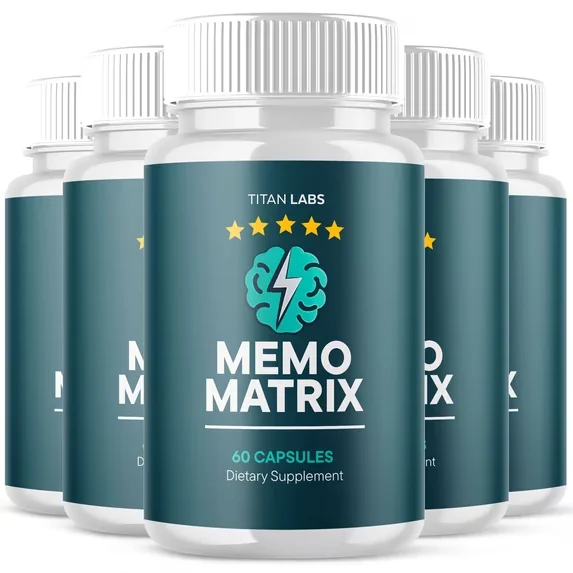
Memo Matrix contains three mild-stimulant ingredients, and its own label recommends consistent daily timing, ideally morning or early afternoon. See our full honest verdict for the complete picture.